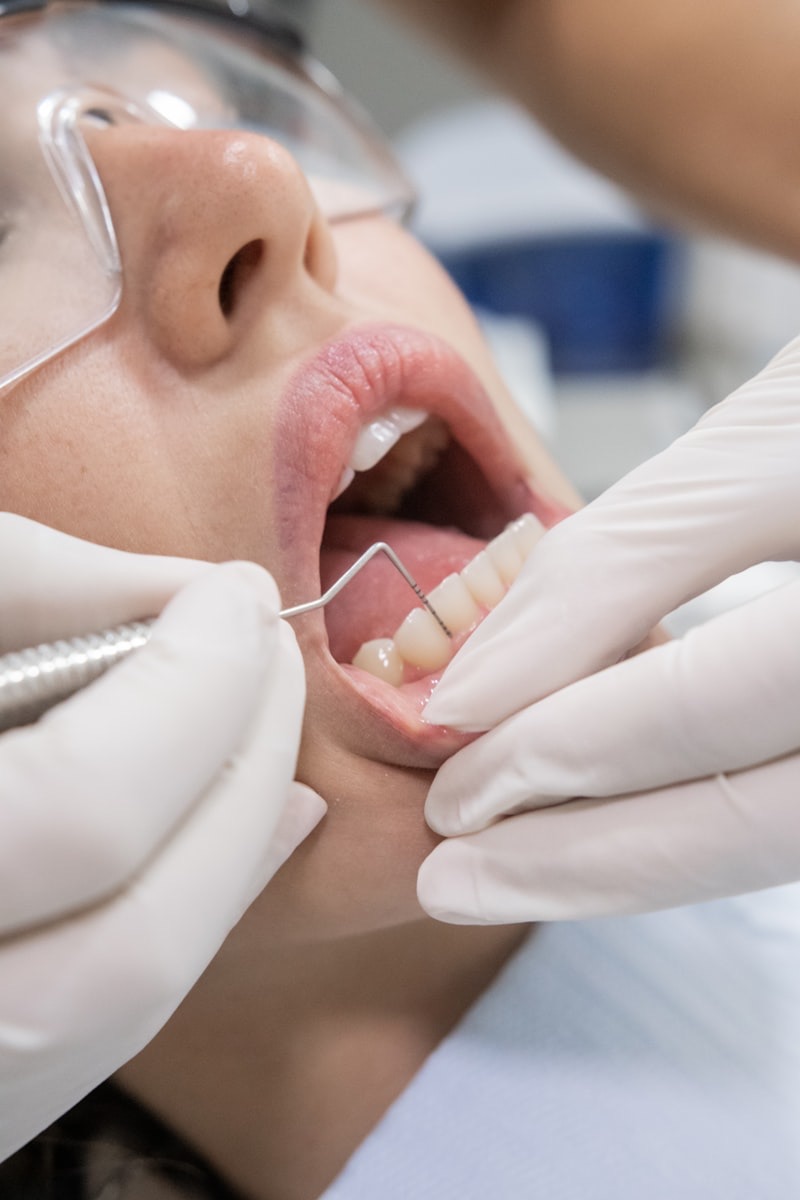
A routine dental check-up is the cornerstone of good oral health. The British Dental Association recommends visiting your dentist every six months for a thorough examination and professional cleaning. Regular check-ups help prevent problems before they start and catch issues early when they are easier and cheaper to treat.
What Happens During a Check-Up?
1. Medical History Review — Your dentist reviews your medical history and asks about any changes to your health or medications since your last visit. 2. Visual Examination — Your dentist examines your teeth, gums, tongue, and soft tissues for signs of decay, gum disease, oral cancer, and other issues. They use a small mirror and probe to check each tooth carefully. 3. Digital X-Rays (If Needed) — X-rays help detect problems that cannot be seen with the naked eye, including cavities between teeth, infections below the gum line, and bone loss. Digital X-rays use minimal radiation. 4. Oral Cancer Screening — Your dentist checks your lips, tongue, cheeks, palate, and throat for any unusual lumps, sores, or discolouration that could indicate oral cancer. 5. Gum Health Assessment — Your dentist or hygienist measures the spaces between your teeth and gums (periodontal pockets) to check for signs of gum disease. 6. Professional Cleaning (Scale and Polish) — A hygienist removes plaque and tartar from your teeth, especially in hard-to-reach areas, and polishes your teeth to remove surface stains. 7. Treatment Discussion — Your dentist discusses their findings and recommends any necessary treatment, with a clear explanation and transparent pricing.Why Six-Monthly Check-Ups Matter
- Early detection — catching problems early means simpler, less expensive treatment
- Prevention — professional cleaning prevents decay and gum disease
- Oral cancer screening — early detection of oral cancer saves lives
- Monitoring — your dentist can track changes in your oral health over time
- Advice — personalised guidance on brushing, flossing, and diet