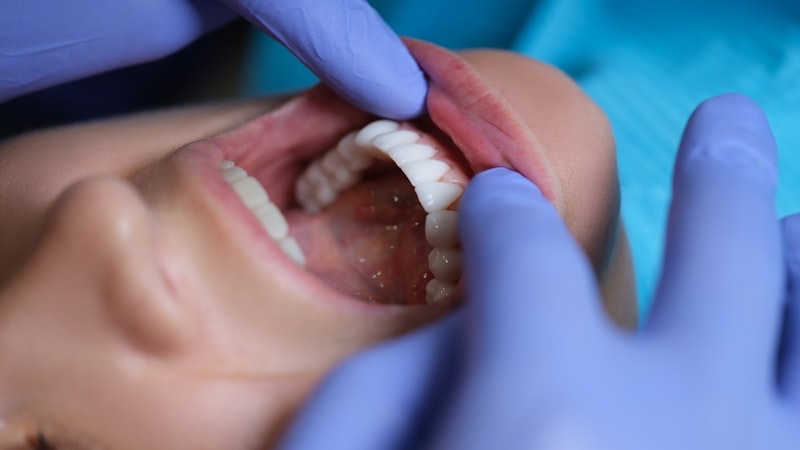
Composite veneers are one of the most common cosmetic treatments we are asked about at our Canada Water and Greenwich practices. They are also one of the most misunderstood. This guide covers what they involve, what they cost, and when a different treatment would serve you better.
What a composite veneer is
A composite veneer is a thin layer of tooth-coloured resin applied to the front surface of a tooth and shaped by hand, then set with a curing light. It is built directly onto your tooth in a single appointment rather than made in a laboratory.
That one difference explains most of what follows: the lower cost, the shorter treatment time, the ease of repair, and the shorter lifespan compared with porcelain.
What composite veneers cost
Composite bonding at M Dental starts from £420. The final cost depends on how many teeth are treated and how much reshaping is involved, so we quote for the case as a whole after an examination.
Most people treating the teeth visible when they smile are looking at six to ten teeth. You will have a written treatment plan and total cost before any work begins, and the same prices apply at both clinics.
How long they last
Composite veneers typically last five to seven years with good care. What shortens their life:
- Grinding or clenching, which chips the edges
- Red wine, coffee, tea and tobacco, which stain the resin over time
- Biting nails, pens or packaging
- Missing hygiene appointments
The practical advantage of composite is that it can be repaired. A chipped composite veneer can usually be patched in one visit. A chipped porcelain veneer normally has to be remade.
Who composite veneers suit
They work well for:
- Chipped or worn edges
- Small gaps between teeth
- Teeth that are slightly out of line
- Discolouration that whitening has not resolved
- Teeth that are uneven in shape
They are less suitable if:
- Your teeth are significantly crowded, where orthodontics should come first
- You grind heavily without a nightguard
- There is active decay or gum disease, which we would treat first
Composite or porcelain?
Composite is usually a single appointment, needs little or no enamel removed, and can be repaired in one visit. It lasts five to seven years and stains gradually.
Porcelain takes two or more appointments, usually requires some enamel to be removed, and is normally remade rather than repaired. It lasts ten to fifteen years and resists staining.
Neither is better in the abstract. Composite suits people who want a change without irreversible tooth preparation, or who want to see how a new smile shape feels before committing. Porcelain suits people who want maximum longevity and stain resistance. Many of our patients start with composite and move to porcelain years later, which is a perfectly sensible path.
Caring for them
Brush twice daily with a non-abrasive toothpaste, clean between the teeth daily, and keep up with hygiene appointments. Rinse with water after red wine, coffee or tea. If you grind your teeth, wear the nightguard.
One point worth stating plainly: composite veneers cannot be whitened. If you are considering whitening as well, have that done first so the veneers can be matched to your new shade.
Next steps
Composite veneers are a good option for many people, and the wrong option for some. The only way to know which applies to you is an examination.
Book a cosmetic consultation at M Dental Canada Water (SE16) or Greenwich (SE10). Call 020 4518 8554 or 020 4541 8517.